
Clean Desk Policy: 6 Surprising Office Benefits

In the digital age, where information flows rapidly and workspaces are increasingly virtual, the importance of physical workspace organisation often gets overlooked. However, the state of one’s physical workspace can greatly impact productivity, efficiency, and even information security. The clean desk policy has emerged as a strategic approach to address these factors, ensuring that workspaces remain clutter-free, optimised, and secure. This article offers an in-depth exploration of the clean desk policy, its benefits, implementation strategies, potential challenges, and its overall positive impact on workplaces.
10 Cost Saving Ideas for the Workplace

Whether you’re a small business just starting or a large corporation looking to streamline operations, it’s important to constantly be on the lookout for ways to cut costs and increase efficiency. By being proactive about finding ways to cut costs and streamline operations, you can give your business a competitive edge and help it thrive in any economic environment.
From Remote to Office: A Successful Return-to-Office Policy

In the ever-evolving landscape of work, adaptability is key. As the world strides towards recovery, companies face the challenge of orchestrating a smooth transition from remote work back to the physical office space. This is where a well-structured Return-to-Office policy steps in, acting as a guiding light for both employers and employees in this transformative journey.
Improve Workplace Management: Practical Strategies

Effective workplace management is crucial for any organisation’s success in today’s fast-paced business environment. Companies that prioritise workplace management not only see improved productivity but also foster a culture where employees thrive. This article will guide you through essential strategies for effective workplace management, ensuring your organisation stays ahead of the curve.
Why Workplace Booking is Crucial for Hybrid Offices?
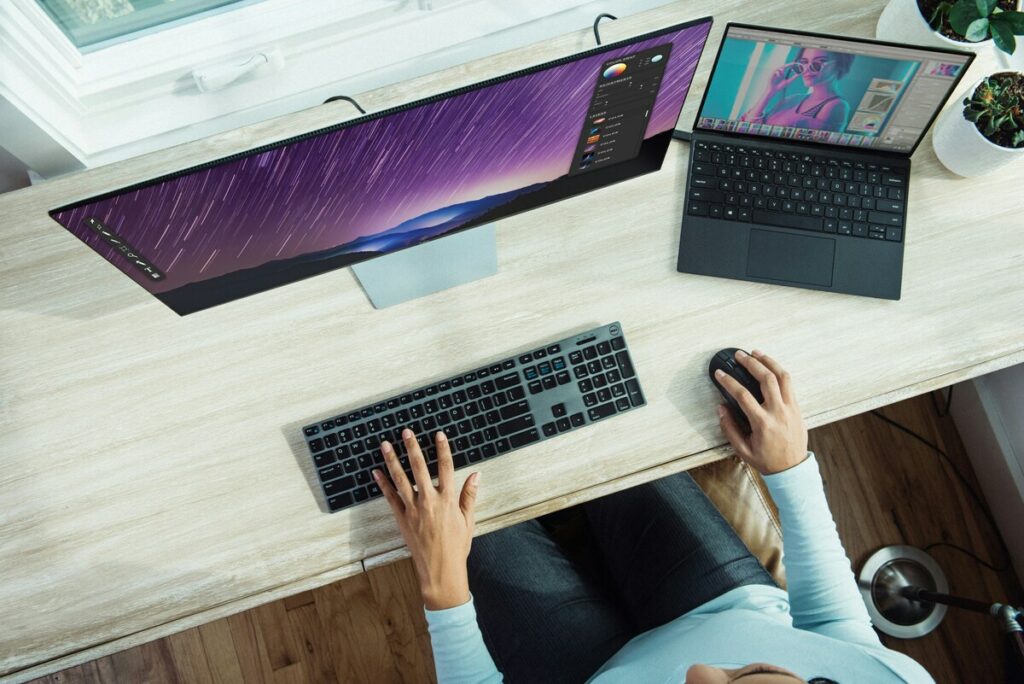
In the wake of the COVID-19 pandemic, the workplace concept has undergone a radical transformation. Gone are the days when the traditional office was the epicentre of productivity. As businesses worldwide have adapted to the realities of remote work, the once-clear boundaries between work and home have blurred, leading to the rise of the hybrid work model. This new normal has given birth to the need for more flexible and dynamic work environments, and with it, the importance of workplace booking systems has skyrocketed.
18 Proven Ideas to Improve Workplace with Actionable Tips

Creating a thriving and productive work environment is essential for any organisation aiming to achieve long-term success. A positive workplace not only enhances employee satisfaction but also boosts overall productivity. Whether you’re an employer, manager, or HR professional, implementing effective ideas to improve the workplace can lead to a more engaged, motivated, and loyal workforce. This comprehensive guide explores ten proven ideas to improve workplace dynamics, culture, and efficiency, ensuring your organisation remains competitive and your employees stay happy.
Maximise Office Space Utilisation with Presence Sensors

In the ever-evolving world of work, the hybrid office model is becoming increasingly popular. As employees split their time between home and office, the challenge of efficiently managing office spaces has taken centre stage. Enter presence sensors—a technology revolutionising how we book and utilise desks and meeting rooms. In this article, we’ll explore how presence sensors can streamline office management, ensuring that every square foot is used to its maximum potential. Whether you’re an office manager, a business owner, or simply curious about the future of work, this guide will show you how presence sensors can transform your workspace.
Desk Hoteling vs. Hot Desking vs. Desk Sharing: Which to Choose?

Traditional office setups, characterised by fixed desks and assigned seating, are being replaced by more flexible arrangements like desk sharing, hoteling, and hotdesking. These models have become increasingly popular as companies adapt to hybrid work patterns, evolving employee expectations, and the need for cost efficiency.
But what exactly do these terms mean? And more importantly, how can you decide which approach will work best for your business? Let’s explore desk sharing, hoteling, and hotdesking in-depth, comparing their pros and cons and helping you determine which one is right for your office.
How Do Various Meeting Rooms Serve as a Collaboration Space?

Nowadays, an increasing number of companies want employees to return to the office. There is a need to create a welcoming environment and collaborative spaces for employees to enhance team spirit and face-to-face collaboration. Different types of collaboration spaces play a crucial role in the offices and help to make the space comfortable not only for the meetings but for productive work, motivation, brainstorming of creative ideas, and breaks during the work.
Efficient Conference Room Booking: Best Practices

In today’s fast-paced business environment, meetings remain a cornerstone of organisational operations. Whether brainstorming sessions, client presentations, or team briefings, an efficient conference room booking system is essential. However, many organisations struggle with double bookings, no-shows, and underutilised spaces, leading to wasted resources and frustration.